At Huda Academy, academic subjects and Islamic studies are taught side by side in the same school day, from Kindergarten on.
The academic core
The subjects every good school teaches
From Kindergarten, every child studies English language arts, math, science, social studies and PE.
The timetable grows as children do. Computer science joins in Grade 4, and art in Grade 5. From the middle grades, students who are ready can take advanced courses such as Algebra I and geometry, and in high school there are Pre-AP and AP courses and college classes with UALR.
Faith and language
Islamic studies, Arabic, Qur’an and salah
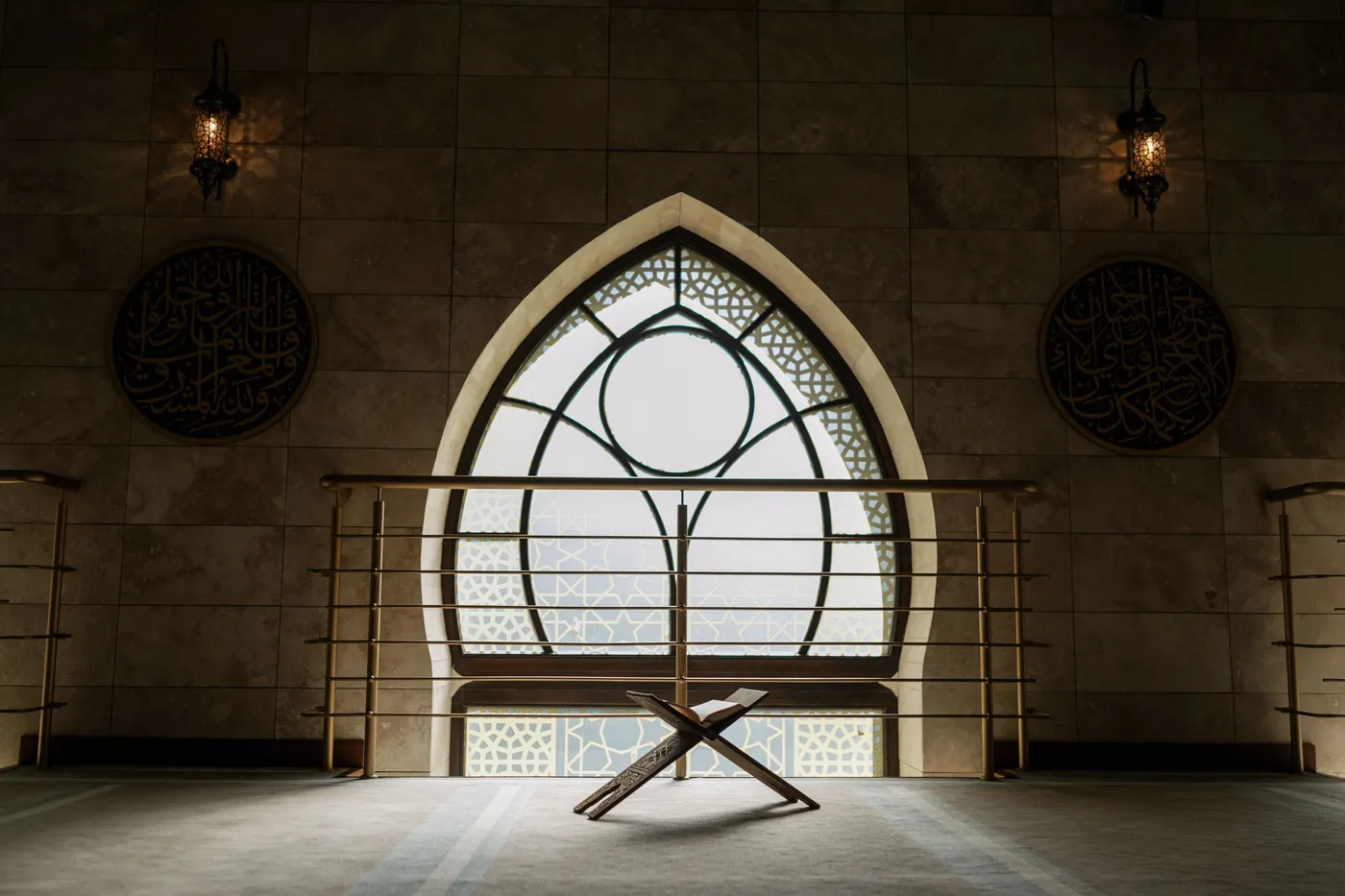
Islamic studies and Arabic are on the timetable from Kindergarten. Arabic is taught both as Modern Standard Arabic and as Qur’anic Arabic for Qur’an and Qira’ah classes. From Grade 1, salah becomes part of the day: students pray Dhuhr together, older students mentor the younger ones at prayer time, and on Fridays an older student gives the khutbah.
Grade 1 is also when children begin Qira’ah, reading the Qur’an aloud with correct recitation. We have one of the strongest Qira’ah programs in the nation. Students who want to memorize the Qur’an can join our Hifz program. Eleven people on our staff are huffaz.
Stage by stage
A clear path from first steps to what comes next.
Five stages, each with its own page.
How we teach
How lessons are taught, and how progress is checked.
Standards • Labs • Assessment
Why we began
The need to establish a school that would excel in academics and provide an environment to nurture spiritual growth.
Published standards
In the elementary grades, English and math follow the Common Core State Standards, which set out what a child should be able to do by the end of each grade. Math in those grades is taught with Singapore Math, which works through fewer topics in more depth, moving from real objects to pictures to numbers. We consider it one of the strongest math curricula in Arkansas.
Science and technology
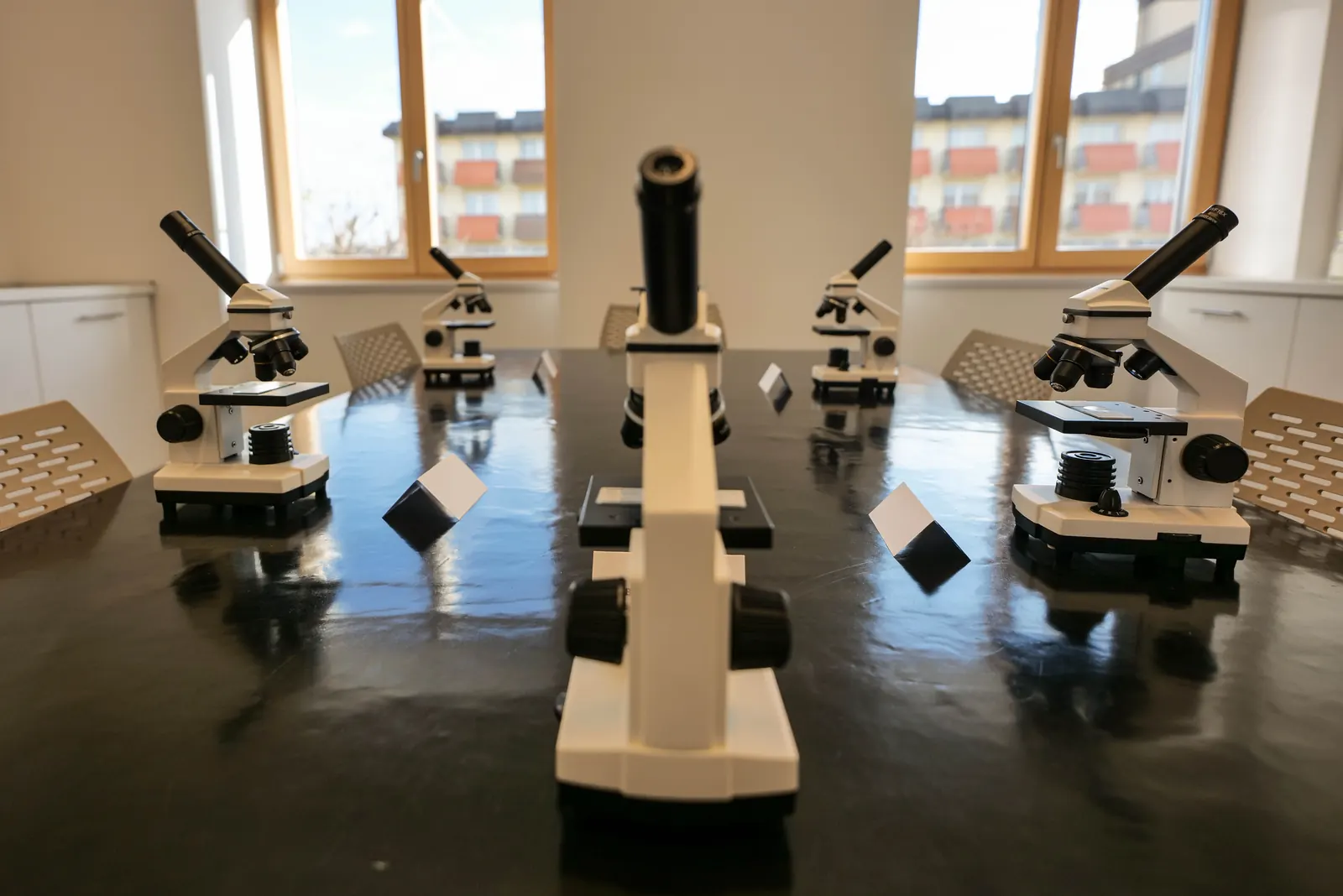
Science follows the Next Generation Science Standards, which ask students to investigate and explain what they find. There is a science lab for experiments, a computer lab, and Smart-Boards in the classrooms. Our partnership with the University of Arkansas at Little Rock (UALR) gives our science classes the use of its lab materials and supports our teachers through a teacher resident program and professional development.
Checking progress
Teachers follow each student through the year with formative assessments, the quick checks inside everyday lessons, and summative assessments at the end of a unit. Those results decide when a student needs extra help and when they are ready to move ahead. Each year we test students with the CTB battery. On average, our grade levels score in the 80th percentile or above in reading, language and math.Needs fixing
The school will confirm
Whether the CTB result is current and may be published, with the year it comes from.
Advanced study
Advanced courses from the middle grades onward.
A student who is ready for more does not have to wait for the rest of the class. We offer advanced courses from the middle grades, and college-level work in high school.
In the middle grades
Seven advanced courses are open to students who are ready for them:
Pre-algebra
Algebra I
Geometry
Physical science
World history
World geography
US history
Several of these are courses many students first meet in high school, so a strong student arrives there with a head start.
How placement works
Placement is based on what the teacher sees across the whole year, in everyday checks and end-of-unit tests. The Middle School page explains what that looks like for a student.
In high school
High school students can take Pre-AP and AP courses in English, math, science and social studies, and college courses through concurrent enrollment with UALR.
The school will confirm
Which grades can take each advanced course, and whether any of them count toward high school credit.