
Join something.Lead something.
From robotics and coding to Mathletes, Model UN, and student council, teacher-led clubs give every student a place to belong.

How clubs work
After school, with a teacher who volunteered.
Clubs at Huda Academy meet after school hours and are run by teacher volunteers. Any student can join, with a parent’s consent and a sign-up fee.
Who runs them
Every club is led by a member of the teaching staff who has chosen to give time to it after the school day. That matters to parents in two ways: your child is looked after by an adult they already know from school, and the club exists because a teacher cares about the subject, not because a timetable needed filling.
Who can join
In the school’s words, anyone can join the clubs. What changes with age is the choice: the list for younger children is short and gentle, and it widens through the middle grades and into high school. The full list for each stage is below.
Signing up
Two things are needed before a child can take part: a parent’s consent, and the club sign-up fee. Consent means the school never enrolls a child in an after-school activity without the family knowing, and it gives you the chance to check the club fits around pick-up and the rest of your week.
The school will confirm
The club sign-up fee (the amount, and whether it is per club, per term or per year); how parents give consent and sign up; and the days and times clubs meet this year. The school’s previous website gave Monday to Thursday, 3:30 to 4:30 p.m.
Clubs by stage
What your child can join, stage by stage.
The list grows as children do. These are the clubs and activities the school offers at each stage, as the school describes them.
Elementary
- Student council
- The Hifz program
- Art Club
- Recorder Club, for music
For younger children the emphasis is on a first taste of something beyond lessons: making art, learning an instrument, memorizing the Qur’an, and having a say in school life through student council.
Middle school
- Mustang Minds, the puzzle and logic club
- Mathletes
- Quiz bowl
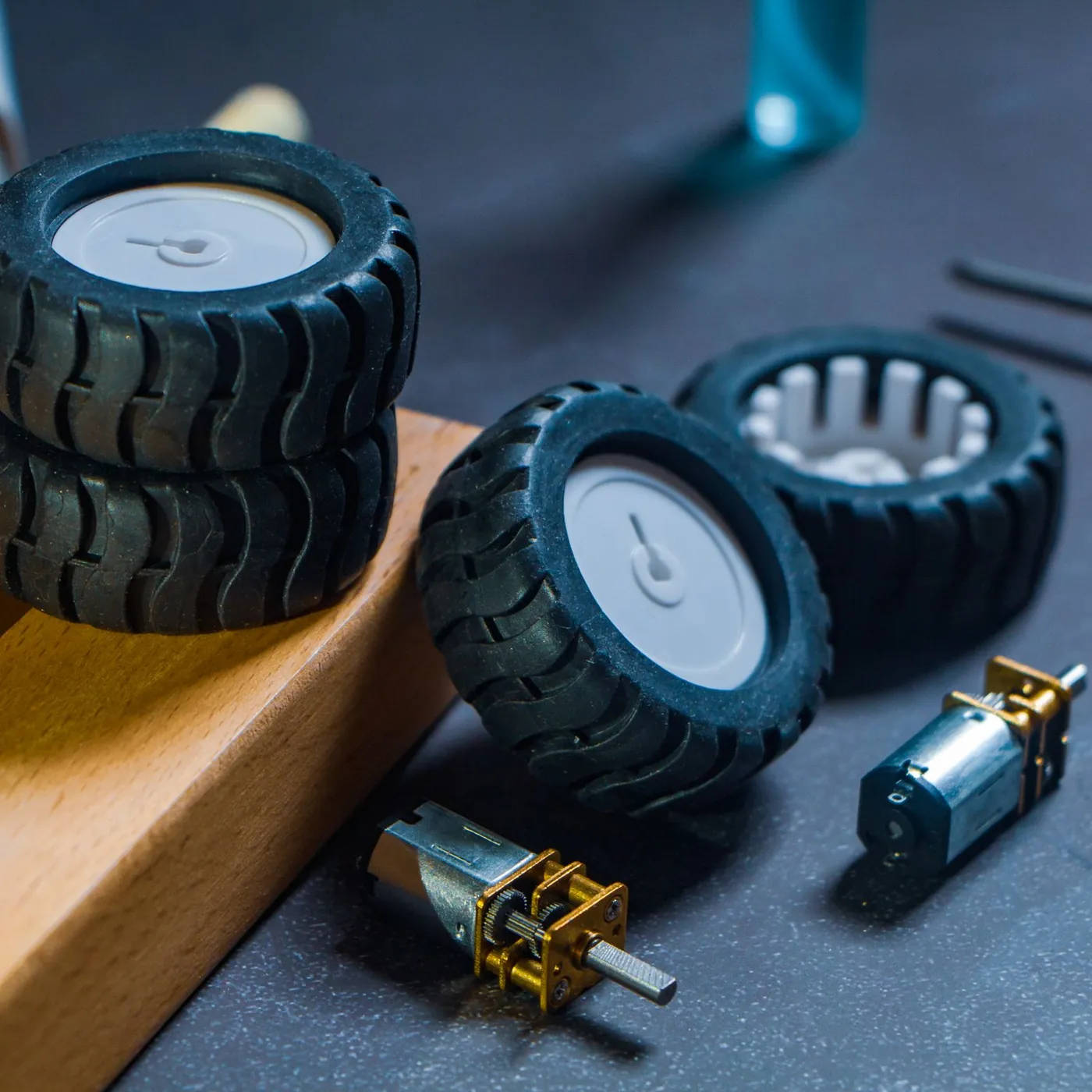
- Robotics
- Coding
- Creative writing
- Journalism
- Volleyball (girls) and soccer (boys)
 Elementary • Middle • High
Middle school students can also take part in TED-style talks, Model UN, National History Day, the science fair, the spelling bee and the Arabic spelling bee, student council, the Hifz program, and giving the Friday khutbah. The Ijazah program began this year with Grade 9 students.
High school
- Service learning
- Student council
- Model UN
- Yearbook
- Mathletes
- Mustang Minds
- Robotics and coding
- Volleyball (girls) and soccer (boys)
The school’s previous website also listed Drama, Cooking and Speech clubsNeeds fixing, which do not appear in the school’s current list. They are shown here only until the school confirms whether they still run.
Student leadership
Chosen by their classmates, trusted by the school.
Student council does fundraising in the school building and other school projects.
 Elected • Trusted • Involved
How student council is chosen
Members of student council are elected by their fellow students. Being popular is not enough, though: to stand, a student has to meet the school’s requirements of good grades and good behavior. Student council is open at every stage, from elementary through high school, so children can grow into leadership over several years.
What the council does
The council raises money through fundraising in the school building and takes on other school projects. For the students involved, it is practice in planning, handling money honestly and speaking for others.
The yearbook
The yearbook team works differently. A teacher nominates a student, and the yearbook committee approves the choice. It is one of the activities open to high school students.
More ways to
get involved.


Find your club here
Try something new this year.
Clubs are run by teacher volunteers after school with parent consent, so ask the office how to sign up.