
Enrollment opens each March — register by 31 May for the discounted rate.

Apply Now
Islamic Education

Arabic language.From the start.

Arabic begins in the early years and is a full subject from Kindergarten, taught as Modern Standard Arabic and Qur’anic Arabic.

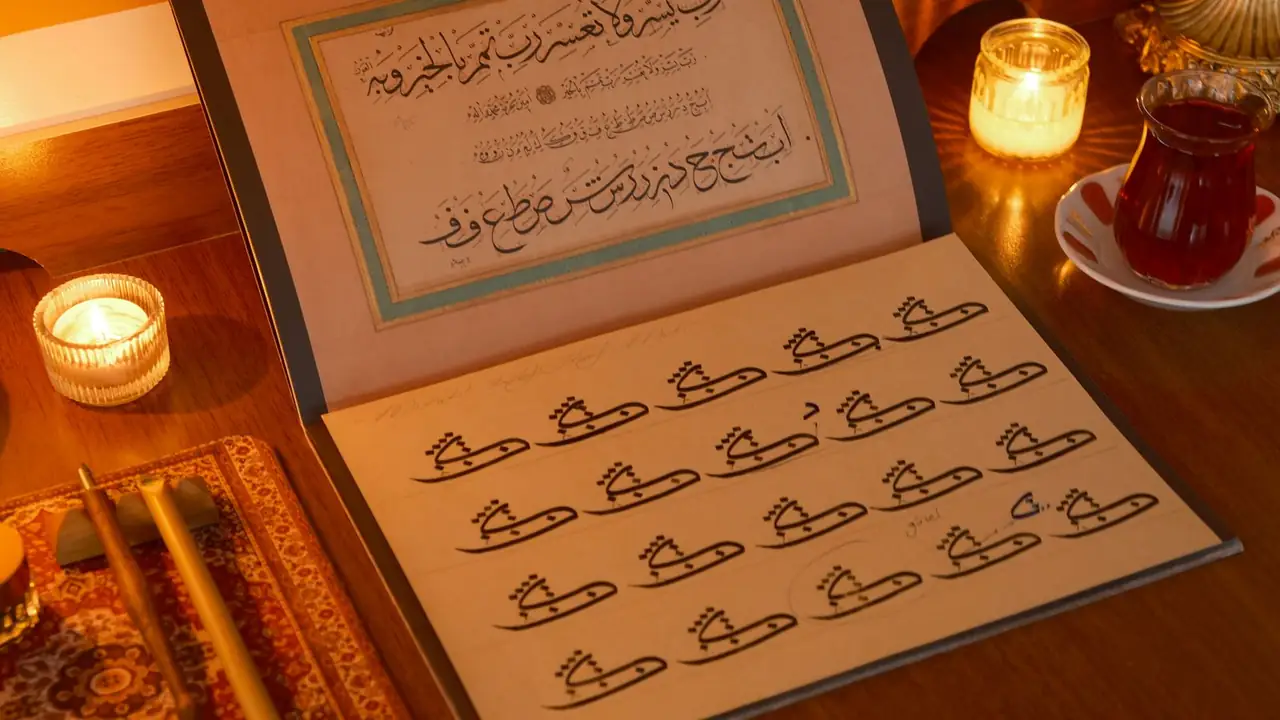
A calligrapher's desk: a practice exemplar in an open folder above a page of repeated letterform drills, with reed pens, a candle and a tea glass.

Two kinds of Arabic

Arabic to read and speak, and Arabic of the Qur’an.

Students learn Arabic in two forms, and which one is used depends on the class. Together they give a child a living language and the language of the Qur’an.

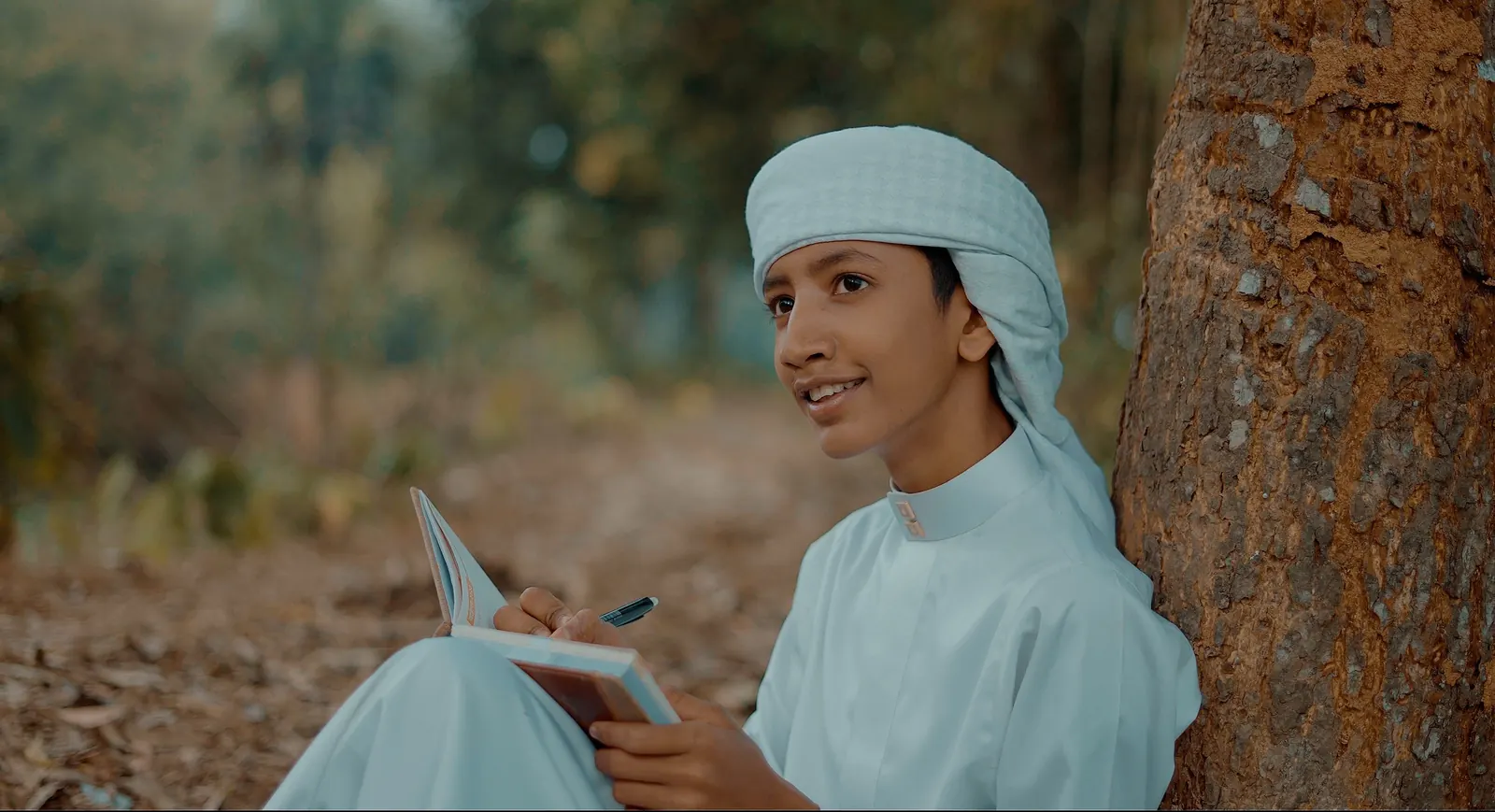
A boy in a pale blue thobe and head wrap writes in a small notebook while sitting against a tree trunk

Modern Standard Arabic

A language for reading, writing and speaking

Modern Standard Arabic is the shared formal Arabic of books, newspapers, broadcasts and signs across the Arab world. Arabic speakers in different countries use their own dialects at home, but Modern Standard Arabic is the form they all read and write.

In Arabic class it is taught as a language in its own right, so that students can use it as well as recite it.
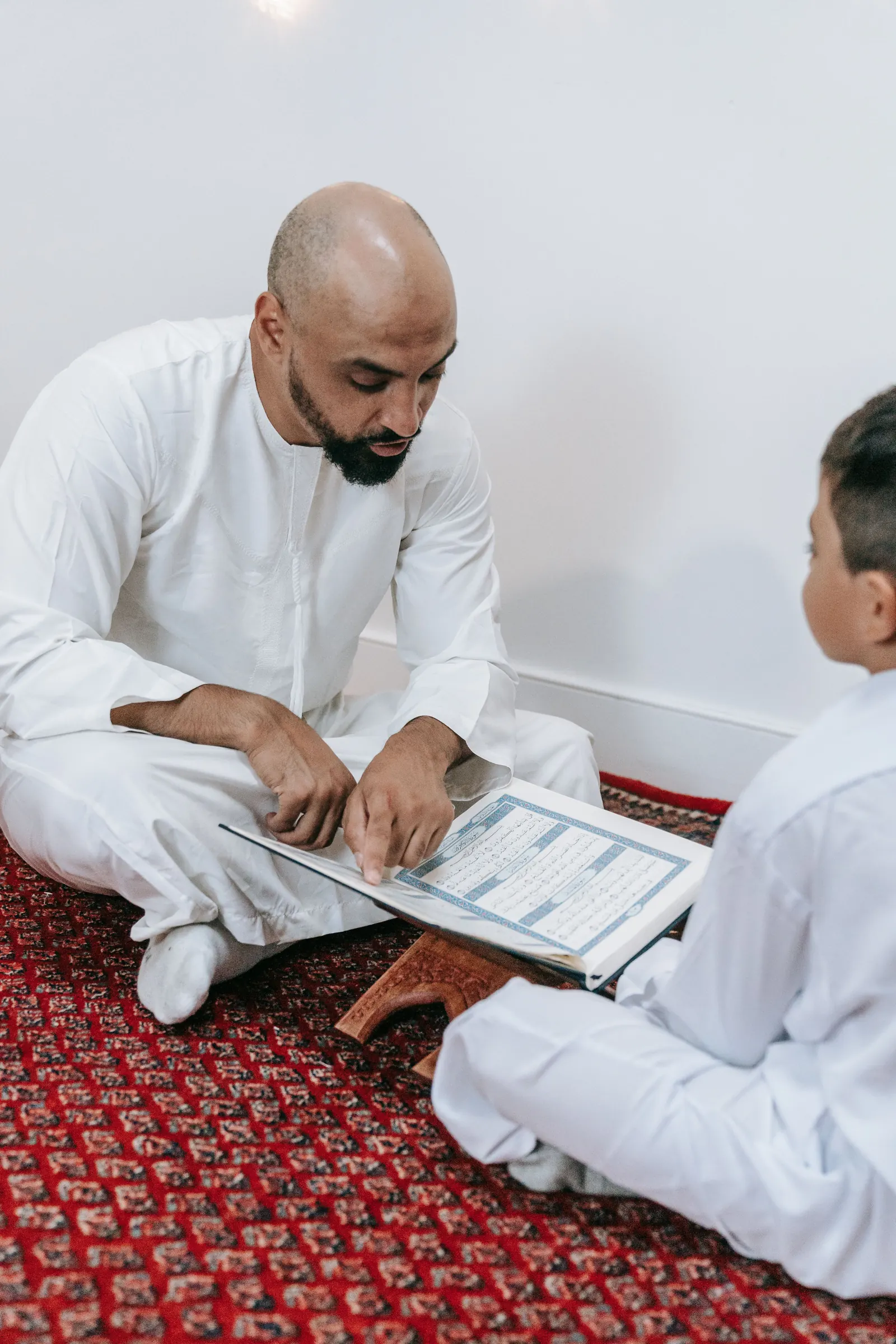
A man in a white thobe points along the lines of a Qur'an on a wooden stand as a boy sits cross-legged beside him

Qur’anic Arabic

The language of recitation

Qur’anic Arabic is the classical Arabic in which the Qur’an was revealed. It shares its alphabet and much of its grammar with Modern Standard Arabic, but it is read with the precise pronunciation that correct recitation requires.

At Huda Academy it is the Arabic of the Qur’an and Qira’ah classes, where students learn to recite correctly, memorize their grade’s portion of the Qur’an, and begin to understand what they recite.

The school will confirm

How many hours a week Arabic is taught at each stage, and how Modern Standard Arabic and Qur’anic Arabic are divided across the week.

Year by year

When Arabic starts, and how it builds.

Arabic begins in the early years and builds from there.

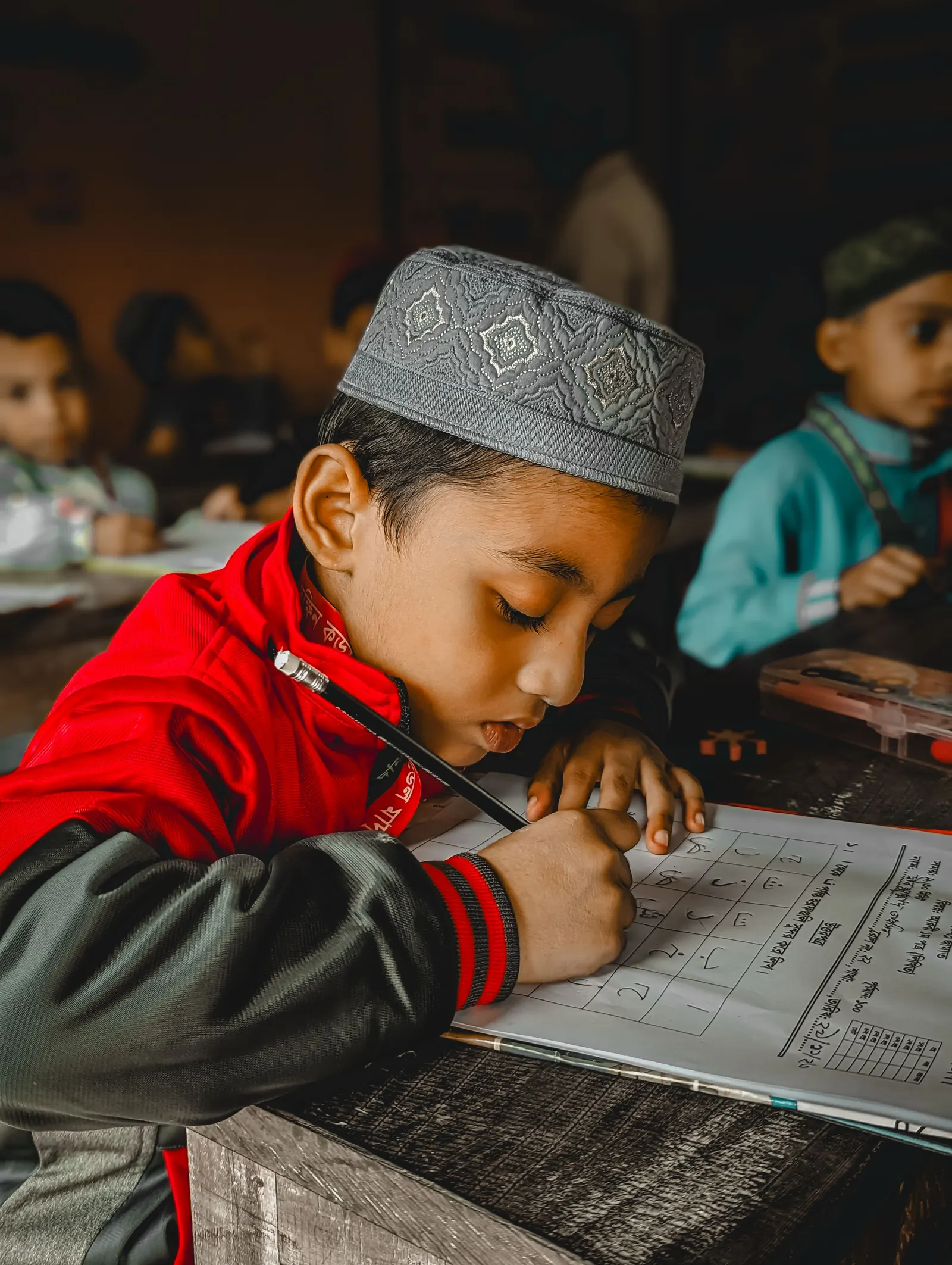
A young boy in a patterned kufi bends close over his worksheet, pencil in hand, at a classroom desk
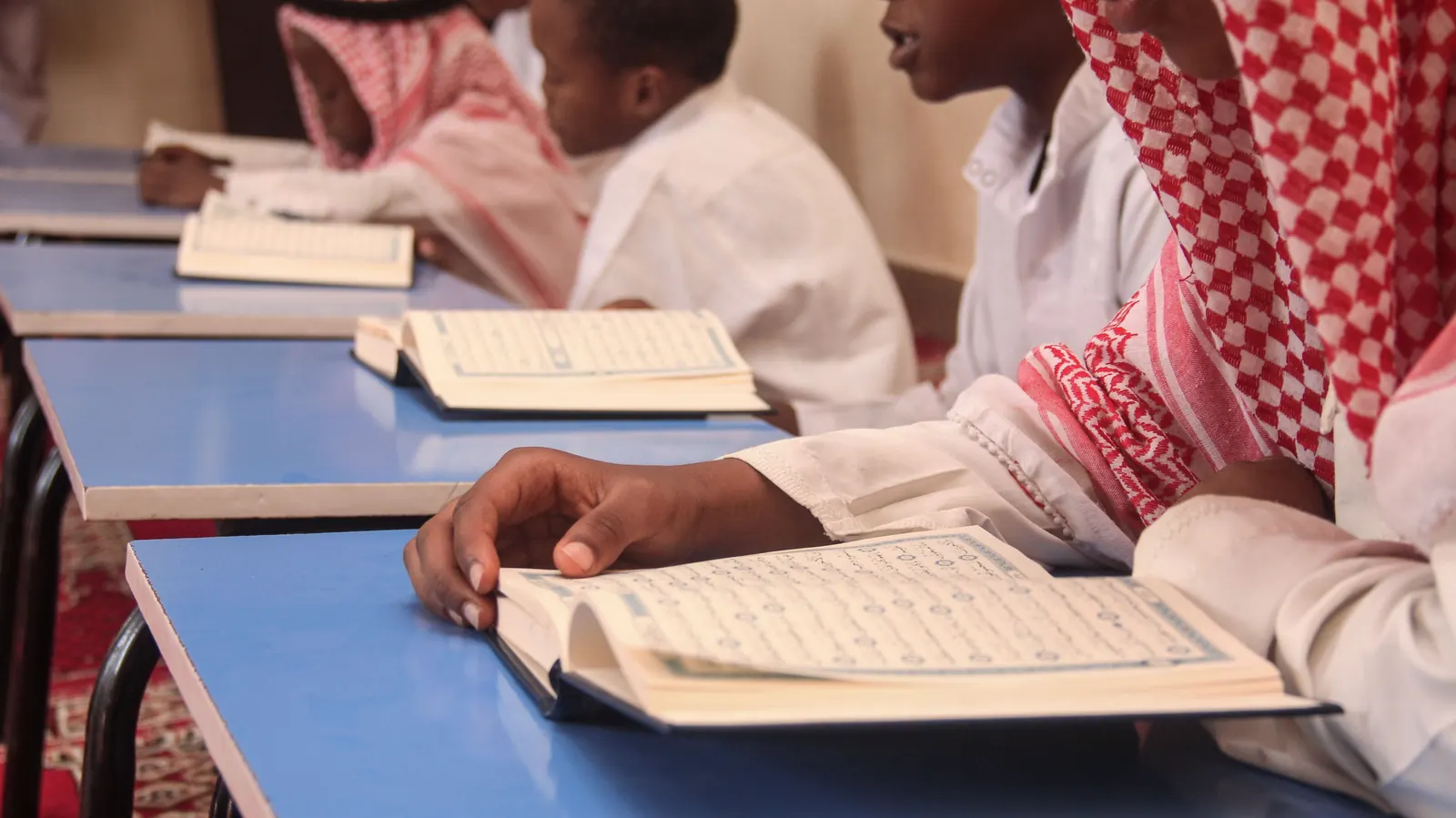
Boys in white thobes and red-checked headscarves read open Qur'ans at blue classroom desks
  1. In the early years

    Children start with Arabic letters, numbers, colors and shapes alongside English. By the end of PreK they can read, sound and write the Arabic alphabet and read and write the numbers 1 to 20 in Arabic.

  2. From Kindergarten

    In Kindergarten, Arabic becomes one of the seven subjects every child takes, alongside Islamic studies, English language arts, math, science, social studies and PE. It stays on the timetable in every grade after that.

  3. From Grade 1: Qira’ah

    Qira’ah, the study of Qur’an recitation, begins in Grade 1, and with it the Qur’anic Arabic that recitation is taught in.

  4. From Grade 3: grammar

    From Grade 3, our Arabic program follows the Bayyinah curriculumNeeds fixing, with the emphasis on understanding the message of the Qur’an. Students study Arabic grammar, which shows them how the words of a verse fit together. That is the step from reciting a verse to understanding it.

  5. The middle grades

    Middle school students can take part in the Arabic spelling bee, one of our student activities, which gives them a reason to master spelling and vocabulary and a chance to show what they have learned.

  6. High school

    In high school, Islamic studies, Qur’an and Arabic are taught four times a weekNeeds fixing.

The language of revelation

Learn the words they recite.

Arabic grows with a child here year by year, as a language and as the language of the Qur’an.

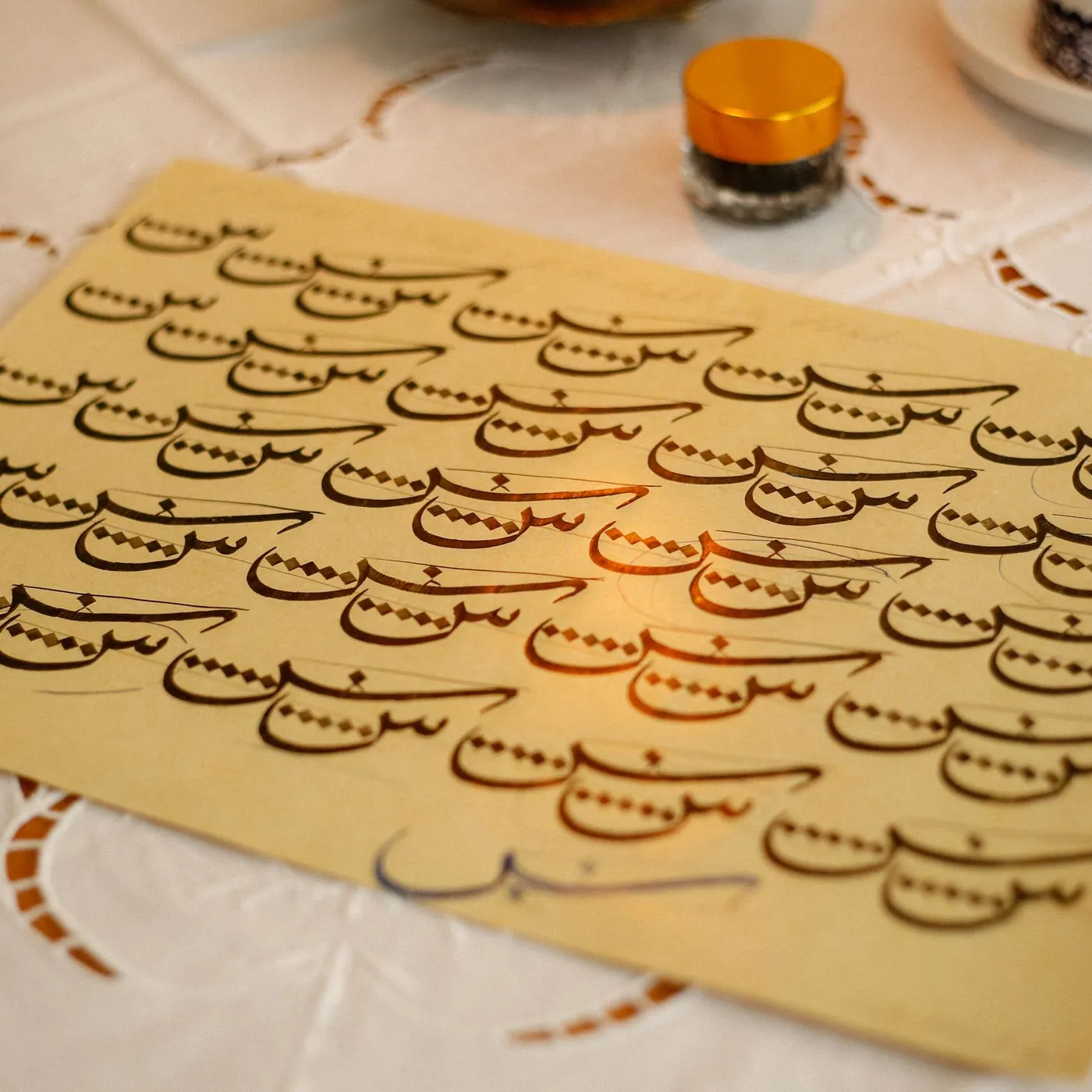
A calligraphy practice sheet covered in repeated Arabic letter forms in brown ink, beside reed pens and a small ink pot